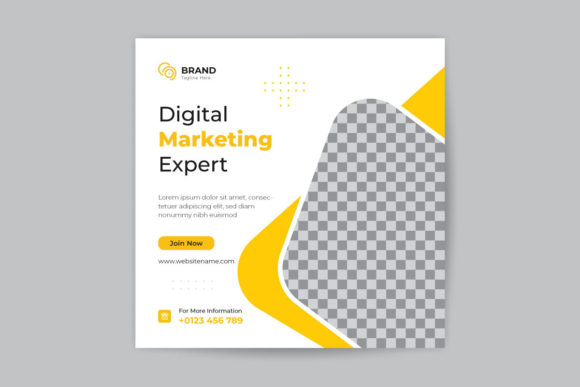
Digital Marketing Expert Social Media Design Guide
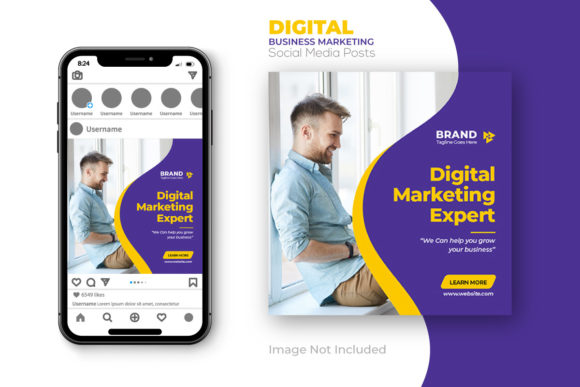
In the fast-paced world of online promotion, standing out requires more than just a clever caption or a trending hashtag. It demands visual precision and strategic clarity. When we talk about Digital Marketing Expert Social Media assets, we are referring to high-quality, customizable templates designed to elevate brand presence across platforms. These resources are not merely placeholders; they are foundational tools for creators, entrepreneurs, and marketers who need to communicate authority and professionalism instantly. The specific configuration of these assets—often sized at 1280×720 pixels with 300 DPI resolution in RGB color—signals a commitment to quality that transcends the typical "good enough" approach often seen in hurried social posts.
What makes this approach particularly interesting is the balance it strikes between technical excellence and creative flexibility. A template labeled as a Digital Marketing Expert Social Media resource usually comes with flat design files included in formats like EPS and JPEG. This dual-format availability ensures that whether you are a graphic designer needing vector scalability or a small business owner needing a quick image for Instagram, the tool adapts to your workflow. The use of free fonts and 100% customizable elements removes the barriers of licensing costs and rigid structures, allowing users to infuse their unique brand voice without starting from scratch.
The Strategic Value of High-Resolution Assets
Many creators overlook the importance of resolution when designing for digital screens, assuming that 72 DPI is sufficient because monitors display pixels, not print dots. However, utilizing assets prepared at 300 DPI offers a distinct advantage. It ensures that every line, curve, and text element remains crisp, even when viewed on high-density Retina displays or when the content is repurposed for printed marketing materials like brochures or event flyers. The 1280×720 pixel dimension is the standard for HD video thumbnails and landscape social posts, making it a versatile canvas for YouTube, LinkedIn, Facebook, and Twitter.
When you adopt a Digital Marketing Expert Social Media framework, you are essentially adopting a standard of clarity. In an era where users scroll past mediocre visuals in milliseconds, the sharpness of your imagery acts as a trust signal. It tells the audience that you pay attention to details. This is crucial for consultants, educators, and freelancers whose product is their expertise. If your visual presentation looks pixelated or amateurish, potential clients may subconsciously question the quality of your advice or services.
Creative Possibilities and Adaptation
The true power of these templates lies in their adaptability. Because the image is not included in the base file, you are handed a clean slate. This absence forces you to make intentional choices about photography, illustration, or color gradients that align with your specific campaign goals. Here is how different professionals can leverage these features:
- Freelance Consultants: Use the flat design structure to create "Tip of the Day" graphics. The ample space allows for bold typography using the included free fonts, ensuring readability on mobile devices.
- Educators and Coaches: Adapt the 1280×720 layout for webinar slides or course module headers. The RGB color profile guarantees that colors remain vibrant when projected or viewed on screens.
- Small Business Owners: Customize the EPS file to match brand guidelines exactly. You can swap out generic shapes for product photos or team headshots while maintaining the professional layout.
- Content Creators: Utilize the easy-to-edit layers to create series-based content. Consistency in design helps build recognition, turning casual scrollers into loyal followers.
The inclusion of EPS files is a game-changer for those who want to scale their designs. Unlike raster images that lose quality when enlarged, vector-based EPS files allow you to resize elements infinitely without degradation. This means a social media post created today could easily become a billboard advertisement tomorrow without needing a complete redesign. Meanwhile, the JPEG versions provide immediate usability for those who need to upload content quickly via mobile apps or content management systems.
Practical Approaches for Different Platforms
While the 1280×720 ratio is universal, the way you deploy a Digital Marketing Expert Social Media template should vary by platform context. On LinkedIn, the focus might be on professional headshots paired with data-driven headlines, utilizing the template's clean lines to convey seriousness. On Instagram, the same template can be transformed with vibrant overlays and dynamic typography to capture attention in a visually saturated feed.
For Pinterest, which functions as a visual search engine, these high-resolution assets are invaluable. The 300 DPI quality ensures that when users zoom in on infographics or step-by-step guides, the text remains legible. This drives higher engagement and click-through rates. Similarly, for YouTube thumbnails, the contrast and clarity provided by flat design principles help your video stand out against competing content in the sidebar recommendations.
Maintaining Consistency and Originality
One of the biggest challenges in using templates is avoiding the "cookie-cutter" look. To keep your results original while using a shared resource, focus on the variables you control: color palettes, imagery, and copy. Even though the font is free and the layout is pre-set, your combination of these elements creates a unique signature.
- Develop a Color Hierarchy: Don't just use the default colors. Map the template's color slots to your specific brand hex codes. Use one dominant color for backgrounds, a secondary color for accents, and a high-contrast color for calls to action.
- Curate Unique Imagery: Since the image slot is empty, avoid overused stock photos. Use authentic photography of your workspace, your team, or your products. Authenticity resonates more deeply with modern audiences than polished but generic stock imagery.
- Vary the Typography Weight: Even with free fonts, you can create visual interest by playing with font weights (bold vs. light) and sizes. Emphasize key words to guide the reader's eye through the message.
- Iterate Based on Data: Treat the template as a living document. If a certain layout performs well on Facebook, adapt it slightly for LinkedIn. Track engagement metrics to see which variations of the Digital Marketing Expert Social Media design resonate most with your audience.
Organization is also key to effectiveness. Keep your editable source files (EPS) archived systematically. Label them by campaign, date, or platform. This ensures that when you need to revisit a successful design six months later, you can find it instantly and update the content without hunting through disorganized folders. A well-organized asset library saves hours of work and ensures brand consistency over the long term.
Final Thoughts on Professional Execution
Ultimately, the goal of using specialized design resources is to free up your mental energy for strategy and storytelling. When the technical aspects of design—resolution, color modes, file formats—are handled by a robust template, you can focus on the message. A Digital Marketing Expert Social Media template provides the structure; you provide the soul.
Whether you are launching a new service, sharing industry insights, or promoting an event, the quality of your visual communication matters. By leveraging tools that offer 100% customization, flat design aesthetics, and professional-grade specifications, you position yourself not just as a participant in the digital space, but as an authority within it. The ease of editing and the versatility of formats like EPS and JPEG mean that high-quality design is accessible to everyone, from the solo hobbyist to the established agency. Embrace these tools, experiment with the creative possibilities, and let your content reflect the expertise you bring to the table.