Evaluating the Side View Patterned Arabian Coffee Jug for Cultural Design Projects
In the realm of graphic design, particularly when working on projects rooted in Middle Eastern heritage, the choice of visual assets can define the authenticity and impact of the final product. The Side View Patterned Arabian Coffee Jug, often referred to as a Dallah, represents more than just a vessel for coffee; it is a potent symbol of hospitality, community, and tradition. For designers, illustrators, and business owners in the café industry, selecting the right digital representation of this icon is a critical decision. This article explores the specific value of using a side view patterned vector illustration, compares it against other available formats, and provides a practical framework for deciding when this asset is the optimal choice for your workflow.
Defining the Asset: More Than Just a Silhouette
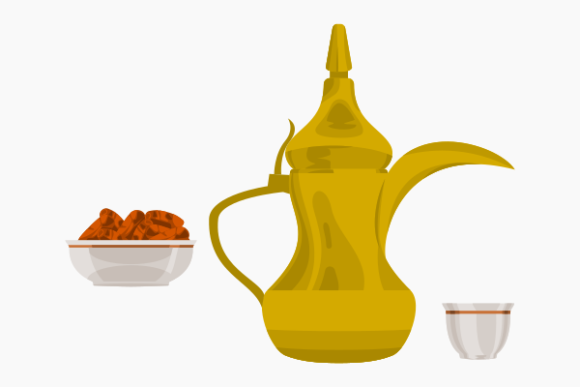
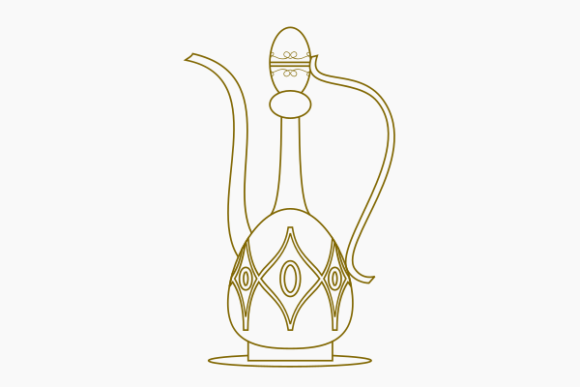
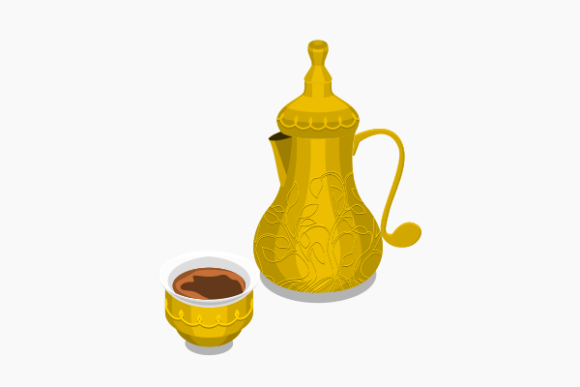
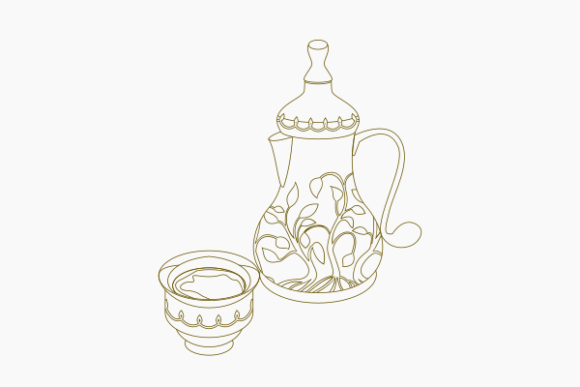
When we discuss a Side View Patterned Arabian Coffee Jug, we are referring to a specific type of digital illustration that captures the iconic profile of the traditional Arabic coffee pot. Unlike a simple silhouette or a photorealistic render, this asset typically features intricate geometric or floral patterns etched into the body of the jug. The side view is strategically chosen because it best displays the distinctive long spout, the curved handle, and the conical lid that characterize the Dallah.
The inclusion of patterns is what sets this resource apart. In Islamic art and Middle Eastern design, surface decoration is paramount. A plain jug might serve a functional purpose in a diagram, but a patterned jug carries cultural weight. It evokes the feeling of ornate metalwork found in traditional souqs and historic homes. For projects related to Ramadan, Eid, or branding for an authentic Arabian café, these details provide immediate context and emotional resonance that a generic coffee pot image cannot achieve.
Vector vs. Raster: The Case for Editable SVG and EPS
One of the most significant factors in evaluating this resource is the file format. The availability of the illustration as an editable SVG vector, along with EPS and PDF formats, offers distinct advantages over standard raster images (like JPEGs). When comparing options for professional print or scalable web design, the vector format is almost invariably the superior choice for several reasons.
- Scalability: Vector graphics use mathematical paths rather than pixels. This means you can scale the Side View Patterned Arabian Coffee Jug from a small icon on a mobile app to a massive storefront banner without any loss of quality or pixelation.
- Editability: Perhaps the most crucial benefit is the ability to modify the design. Using software like Inkscape, Adobe Illustrator, or CorelDRAW, you can isolate specific elements. Need to change the gold pattern to a silver tone to match a different brand palette? With a vector file, this is a matter of clicking and recoloring. With a flattened PNG or JPEG, this process is tedious and often yields poor results.
- File Efficiency: For web use, SVG files are often smaller in file size compared to high-resolution PNGs, leading to faster page load times—a key factor in SEO and user experience.
While the package usually includes high-resolution PNGs for quick drag-and-drop usage in non-vector programs, relying solely on raster limits your flexibility. If your project requires precise color matching (Pantone codes) or integration into a complex layout where layers need to be manipulated, the vector source files (SVG, EPS, PDF) are indispensable.
Software Compatibility and Workflow Considerations
The recommendation to use Inkscape for editing these files highlights an important aspect of accessibility. Inkscape is a powerful, open-source vector graphics editor that serves as a viable alternative to expensive subscription-based software. For freelancers, small business owners, or students managing budgets, the ability to edit a professional-grade SVG in free software lowers the barrier to entry.
However, professionals should consider their existing ecosystem. If your team works exclusively within the Adobe Creative Cloud, the included EPS and PDF files will integrate seamlessly into Illustrator. Conversely, if you are a web developer looking to embed the graphic directly into HTML code, the SVG format is native to browsers and can be styled with CSS. Understanding your technical environment helps determine how much value you will extract from the multi-format ZIP package.
Practical Use Cases: When This Asset Shines
The versatility of the Side View Patterned Arabian Coffee Jug makes it suitable for a wide array of applications. Identifying whether your project aligns with these use cases is essential for justification.
- Café Branding and Menu Design: For establishments serving Arabic coffee (Gahwa), the Dallah is the primary visual identifier. Using a patterned version on menus, coasters, or loyalty cards reinforces the authenticity of the offering. The side view ensures recognition even at small sizes.
- Ramadan and Eid Campaigns: During these holy periods, visual content needs to be respectful and culturally accurate. This illustration serves as an excellent centerpiece for social media graphics, greeting cards, or promotional banners. The patterns allow designers to incorporate traditional motifs that resonate with the celebratory mood of Eid.
- Packaging Design: Coffee bean bags or tea boxes often require elegant, culturally relevant imagery. The vector nature of the file allows the design to be adapted to various package dimensions and materials, ensuring the print quality remains crisp on textured paper or foil.
- Web and UI Elements: As mentioned, the SVG format is ideal for website headers, loading icons, or background patterns. The clean lines of the vector ensure it looks sharp on retina displays and high-DPI mobile screens.
Trade-offs and Limitations to Consider
While the Side View Patterned Arabian Coffee Jug is a robust resource, it is not a one-size-fits-all solution. A balanced evaluation requires acknowledging its limitations.
Style Specificity: The "patterned" aesthetic is distinct. If your brand identity relies on ultra-minimalism, flat design, or a hyper-modern industrial look, an ornate, traditional Dallah might feel out of place. In such cases, a simplified line-art version or a solid silhouette might be a better fit. The intricate details that make this asset beautiful can sometimes clutter a design if not given enough breathing room.
Cultural Nuance: There are various styles of Dallah across the Arab world, from the Emirati to the Saudi to the Omani styles, each with subtle differences in shape and decoration. While a generic "Arabian" patterned jug is versatile, purists or brands focusing on a specific national heritage might need to verify that the spout curvature and pattern style align with their specific cultural focus. Always review the visual details against your specific cultural requirements.
Learning Curve: To fully leverage the editable SVG, EPS, and PDF files, some proficiency in vector software is required. If you are strictly a user of basic tools like Canva or PowerPoint and are uncomfortable with nodes and paths, you may find yourself restricted to using only the included PNGs, thereby losing the primary advantage of the purchase.
Making the Decision: Is This the Right Resource?
Choosing between this specific asset and alternatives comes down to three core questions regarding your project's needs:
1. Do I need scalability? If your design will appear in both digital and large-format print contexts, the vector formats provided in this package are necessary. If the image is only for a single, fixed-size social media post, a high-res PNG might suffice, though the vector offers better long-term utility.
2. Is customization required? If you need to match specific brand colors or isolate the pattern from the jug's outline, the editable nature of the SVG/EPS is non-negotiable. Static images cannot offer this level of control.
3. Does the aesthetic match the message? If your goal is to evoke tradition, warmth, and hospitality associated with Middle Eastern culture, the patterned side view is an excellent communicator. If you are aiming for a futuristic or abstract interpretation of coffee culture, you may need to look for more stylized or deconstructed alternatives.
Final Thoughts on Integration
The Side View Patterned Arabian Coffee Jug represents a high-value intersection of cultural symbolism and technical utility. By providing a suite of formats including SVG, EPS, PDF, and PNG, the resource caters to a broad spectrum of users, from the budget-conscious designer using Inkscape to the agency professional utilizing advanced suites.
Ultimately, the decision to use this asset should be driven by the desire for authenticity and flexibility. In a market saturated with generic clip art, opting for a detailed, culturally respectful, and technically versatile illustration can elevate the perceived quality of your café's branding or your seasonal campaign. Whether you are preparing for the spiritual reflection of Ramadan or the joyous celebrations of Eid, having a reliable, editable visual element allows you to focus on creativity and messaging rather than struggling with technical limitations. Evaluate your specific design constraints, consider the need for future edits, and choose the format that empowers your vision most effectively.