Why the Isolated Box Logo Remains a Cornerstone of Modern Brand Identity
In an era where digital attention spans are shrinking and visual clutter is at an all-time high, the power of simplicity cannot be overstated. Among the various design elements that define a brand's visual language, the Isolated Box Logo stands out as a versatile and enduring asset. Whether you are a startup founder launching a new product, a marketer refining a campaign, or a creative professional building a portfolio, understanding the utility of isolated graphics is essential. These assets are not merely decorative; they are functional tools that streamline workflows, ensure consistency across platforms, and elevate the perceived quality of a business.
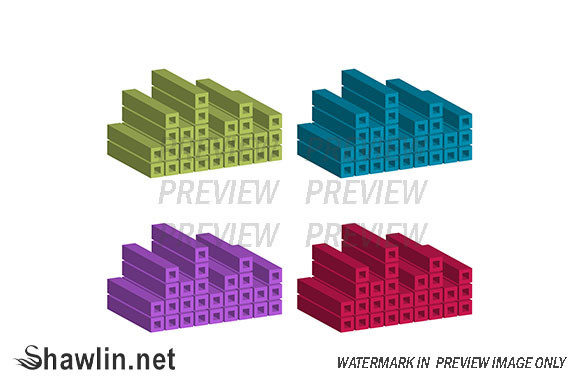
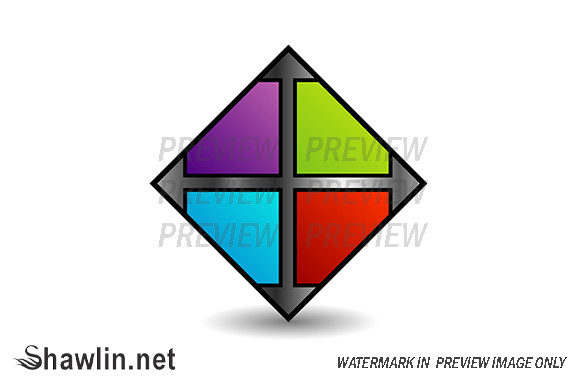
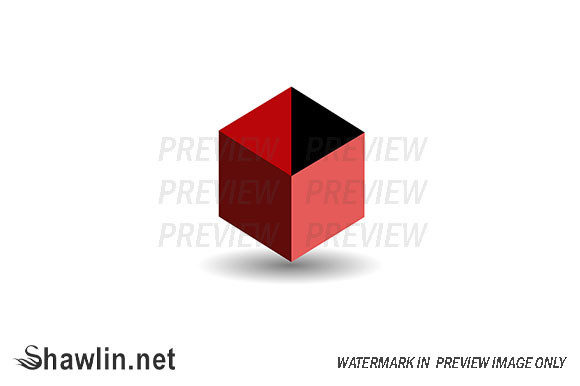
The concept of isolation in graphic design refers to presenting a logo or icon without any background distractions. This allows the image to be placed seamlessly over any color, texture, or layout without the need for complex editing. When you acquire a package containing an Isolated Box Logo, you are investing in flexibility. The specific inclusion of vector EPS files compatible with older software versions, alongside high-resolution JPGs, addresses a common pain point in the industry: compatibility. Many designers and business owners struggle with file formats that require the latest, most expensive software suites. By providing vectors that work in legacy systems, these resources democratize access to professional-grade design, ensuring that technical limitations do not hinder creative execution.
The Evolution of Visual Assets in a Digital-First World
The way we consume media has shifted dramatically over the last decade. We no longer view brands solely on static billboards or printed letterheads. Today, a logo must perform equally well on a smartwatch screen, a social media story, a mobile app icon, and a large-format trade show banner. This diversification of touchpoints has changed user expectations. Audiences now expect crisp, clean visuals that load quickly and look professional regardless of the device they are using.
This shift has driven a surge in demand for isolated assets. In the past, a company might have relied on a single master file for all printing needs. Now, the workflow is dynamic. A content creator might need to overlay a logo on a video thumbnail, while a web developer needs the same logo with a transparent background for a website header. The Isolated Box Logo fits perfectly into this modern workflow because it removes the friction of background removal. There is no need to spend hours masking out white spaces or dealing with jagged edges. The asset is ready to deploy, which aligns with the fast-paced nature of current marketing cycles where speed-to-market is often a competitive advantage.
Furthermore, the trend towards minimalism in UI/UX design has reinforced the relevance of box logos. Clean lines and contained shapes help organize information on crowded screens. An isolated box acts as a visual anchor, drawing the eye without overwhelming the surrounding content. As businesses strive to communicate their value proposition instantly, the clarity provided by an isolated graphic becomes a strategic necessity rather than just an aesthetic choice.
Technical Versatility: Why File Formats Matter
One of the most critical aspects of acquiring design resources is understanding the file formats included. The value of a comprehensive zip package lies in its ability to cater to diverse technical environments. When a download includes an illustration in Vector EPS file in the older version, it solves a significant interoperability issue. Not every freelancer or small business owner has access to the latest iteration of Adobe Illustrator or CorelDRAW. Some operate on older machines or prefer stable, previous versions of software to avoid bugs or subscription costs.
By ensuring the vector files are saved in a format readable by older software, the resource becomes accessible to a wider audience. Vectors are mathematically defined paths, meaning they can be scaled infinitely without losing quality. This is crucial for branding; the same logo file used for a business card can be blown up for a vehicle wrap without becoming pixelated. Having this scalability in a compatible format ensures that your brand identity remains sharp across all applications.
Complementing the vector files, the inclusion of a high-resolution JPG format zipped together provides immediate usability for non-designers. Not everyone needs to edit the paths of a logo. Sometimes, a marketing manager just needs to drop an image into a PowerPoint presentation, a Word document, or a social media post. High-resolution JPGs offer a balance of quality and ease of use. They are universally supported by almost every software application, from email clients to content management systems. The key distinction here is the resolution; a low-res web image will look amateurish when printed or viewed on high-DPI retina displays. Providing a high-res option ensures that even users without design software can maintain a professional standard in their daily operations.
Trust and Professionalism: The Impact of Watermark-Free Assets
In the digital marketplace, trust is currency. When browsing for assets, encountering watermarks on preview images is standard practice to protect intellectual property. However, the final deliverable must be pristine. The assurance that there is NO WATERMARK INSIDE the downloaded files is vital for professional use. A watermark on a final product—whether it's a website footer, a printed brochure, or a video intro—signals a lack of investment and professionalism. It can undermine the credibility of a brand, suggesting that the business cut corners or lacked the budget for proper licensing.
Knowing that the watermark appears only on the preview image allows buyers to evaluate the design before purchase without compromising the integrity of their final project. This transparency builds confidence between the creator and the user. For entrepreneurs and freelancers, time is money. The ability to download a clean, ready-to-use asset means they can focus on strategy and execution rather than troubleshooting file issues or trying to illegally remove watermarks, which often results in poor quality and legal risks.
Practical Applications for Creators and Businesses
The utility of an isolated box logo extends across various sectors. For entrepreneurs, these assets serve as the foundation of brand identity. A cohesive visual system helps in building recognition and trust with potential customers. For marketers, isolated logos are essential for creating compelling ad creatives where the brand needs to stand out against busy backgrounds. For educators and bloggers, using clean graphics enhances the readability of presentations and articles, making complex information more digestible.
Consider the workflow of a freelance graphic designer. They often juggle multiple clients with different software preferences. Having access to vector files that work in older versions means they can collaborate with clients who may have limited technical setups. Similarly, a small business owner managing their own social media can utilize the high-resolution JPGs to create consistent posts without needing to learn complex design tools. The versatility of the package supports a wide range of use cases, from e-commerce product packaging to corporate stationery.
Moreover, the adaptability of these files supports the growing trend of personalization. Brands are increasingly tailoring their messaging to specific audiences. An isolated logo can be easily integrated into customized templates, allowing for rapid iteration of designs for different campaigns, seasons, or demographic targets. This agility is a hallmark of modern successful businesses.
Future-Proofing Your Brand Assets
Investing in high-quality, versatile design assets is a form of future-proofing. As technology evolves, the fundamental need for clear, scalable, and compatible graphics remains constant. While design trends may shift from flat design to skeuomorphism and back again, the underlying requirement for an isolated, editable, and high-resolution logo does not change. By securing a package that offers both vector and raster formats, and ensuring compatibility across software versions, you are building a resilient visual library.
This approach also aligns with sustainable business practices. Instead of repeatedly purchasing new assets or hiring designers for minor adjustments, having a robust set of master files empowers teams to handle routine updates in-house. It reduces waste in the design process and minimizes the turnaround time for projects. In a competitive market, the ability to pivot quickly and present a polished image can make the difference between capturing an opportunity and missing it.
Ultimately, the Isolated Box Logo represents more than just a graphic element; it is a strategic tool for communication. It bridges the gap between creative vision and practical application. Whether you are refreshing an existing brand or launching a new venture, the choice of assets you use defines your professional trajectory. Prioritizing quality, compatibility, and cleanliness in your design resources sets a strong foundation for growth.
If your specific project requires a unique twist or a tailored solution that goes beyond standard templates, customization is often the next logical step. Every brand has a unique story, and sometimes a pre-made asset needs a slight adjustment to perfectly align with your vision. Please feel free to contact me for custom requests using the contact form in my website. Direct communication allows us to discuss your specific needs, ensuring that the final deliverable not only meets but exceeds your expectations, providing a truly bespoke solution for your brand identity.