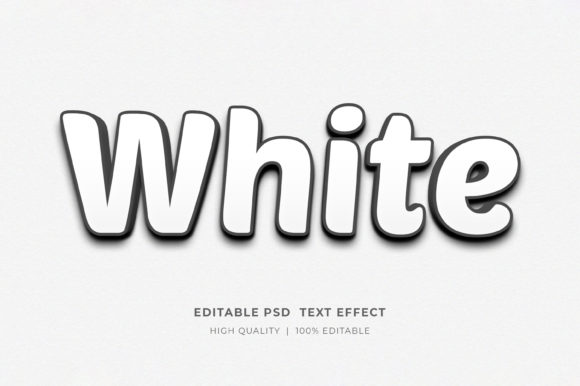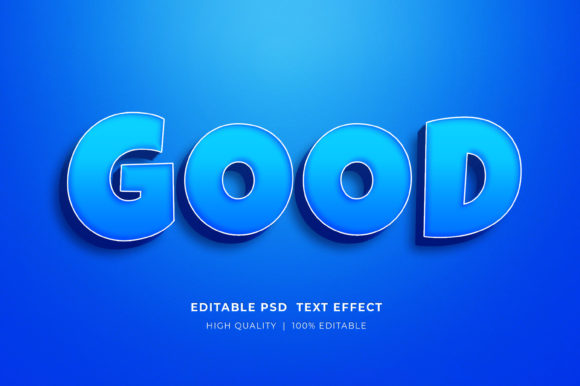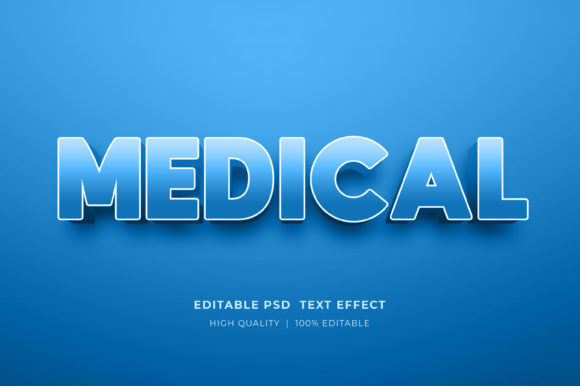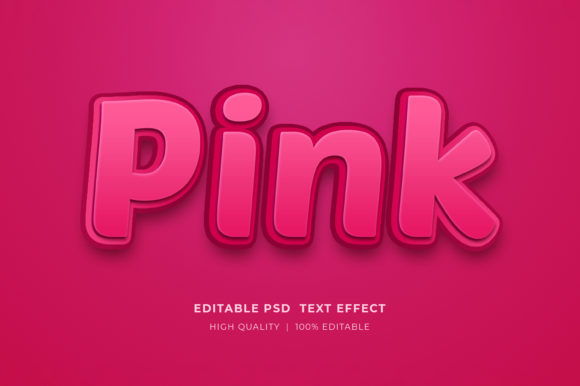
Mastering the Steel Editable 3d Text Style Effect for Professional Design Projects
In the fast-paced world of digital design, first impressions are often made within seconds. Whether you are scrolling through a social media feed, browsing an online store, or scanning a bookshelf on Amazon, the visual weight of your typography can determine whether someone stops to look or keeps moving. This is where the Steel Editable 3d Text Style Effect becomes an invaluable asset for creators who need high-impact visuals without spending hours mastering complex 3D rendering software. It offers a bridge between professional-grade aesthetics and practical workflow efficiency, allowing users to achieve a polished, metallic look that conveys strength, modernity, and premium quality.
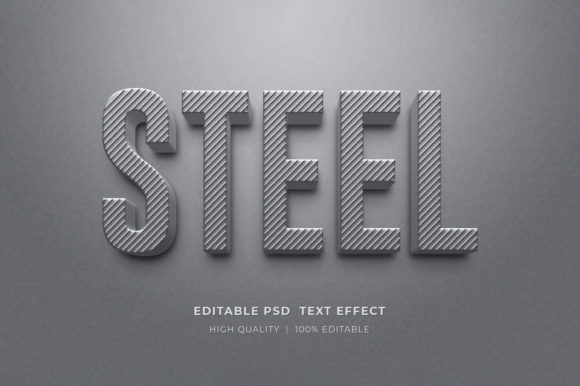
At its core, this resource is a specialized Photoshop mockup designed to simplify the creation of three-dimensional text. Unlike flat typography, which can sometimes get lost in busy layouts, 3D text pops off the screen, creating depth and hierarchy. The "steel" aspect refers to the specific material finish—a cool, industrial, and sleek metallic texture that reflects light realistically. What makes this particular tool stand out is its editability. Many 3D presets are static images, meaning if you want to change the wording, you have to start from scratch. With this 3D Editable Text Style Effect Mockup, the heavy lifting regarding lighting, shadows, and material mapping has already been done. You simply plug in your content, and the file handles the rest.
Real-World Applications Across Industries
The versatility of this effect means it isn't limited to just one type of project. Different professionals leverage these tools to solve specific visual problems in their daily work. For entrepreneurs and small business owners, branding is everything. Imagine launching a new line of fitness equipment or a tech startup. A logo rendered with a steel texture immediately communicates durability and innovation. Instead of hiring a 3D artist, a business owner can use this PSD file to generate logo presentations that look like they cost thousands of dollars to produce. This is particularly useful for pitch decks or website headers where establishing trust and authority is crucial.
Marketers and social media managers also find immense value here. When creating Facebook timelines, Instagram stories, or web banners, the goal is to stop the scroll. A standard flat font might blend into the background noise, but a bold, steel-textured headline grabs attention. Consider a promotional banner for a summer sale on electronics; the metallic text complements the product imagery and adds a sense of urgency and value. Because the file is high-resolution and organized by layers, marketers can quickly adapt the design for different platforms, ensuring consistency across their digital presence without sacrificing quality.
In the realm of publishing and KDP (Kindle Direct Publishing), book cover design is a make-or-break factor for sales. Non-fiction genres like business, self-help, and technology often benefit from strong, authoritative typography. A book about leadership or engineering featuring a steel 3D title suggests substance and seriousness. Authors and cover designers can use this effect to test different titles rapidly. Since the smart object workflow is non-destructive, you can try five different variations of a title in minutes to see which one has the best visual balance before committing to the final cover art.
Furthermore, the Print-on-Demand (POD) and T-Shirt design community relies heavily on textures that look good when printed. While 3D effects don't always translate perfectly to fabric, the stylistic approach of a steel text effect—often involving gradients, highlights, and bevels—can be adapted to create striking apparel graphics. Designers can use the mockup to visualize how the text interacts with light, then flatten or adjust the layers to create a vector-friendly version for printing. It serves as an excellent conceptual starting point for merchandise that needs to look tough and stylish.
How the Workflow Simplifies Your Creative Process
The true power of this tool lies in its user-friendly architecture. For those who may feel intimidated by Adobe Photoshop's advanced features, this file demystifies the process. The entire system revolves around Smart Objects, a feature that allows you to edit the contents of a layer without altering the effects applied to it. Here is how the practical workflow unfolds in a real scenario:
You download the file, which arrives in a compressed ZIP format. The first step is extraction; simply right-click the folder and select "Extract Here." Once opened in Photoshop, you aren't greeted with a chaotic mess of hundreds of unlabelled layers. Instead, you find a well-organized structure. To change the text, you locate the specific smart object layer, usually clearly named something like "Double Click to Edit." Upon double-clicking, a new tab opens containing just the text layer. You select the Type Tool, delete the placeholder, and type your desired headline. As soon as you save that smart object tab, the main document instantly updates, wrapping your new text in the complex steel lighting and shading calculations automatically.
This immediacy is a game-changer for freelancers working under tight deadlines. If a client asks for a last-minute tweak to a banner headline, you can execute it in seconds rather than re-rendering a 3D scene. Additionally, because the file supports RGB color adjustments, you aren't stuck with just silver or gray. You can hue-shift the steel to look like brushed gold, copper, or even anodized aluminum to match a specific brand palette. This flexibility ensures that the design remains on-brand while retaining the dimensional quality that makes it effective.
Key Considerations Before You Begin
While this tool is powerful, getting the best results requires a bit of strategic thinking. First, consider the context of use. A heavy steel text effect works wonderfully for headlines, logos, and short phrases, but it can become visually overwhelming if used for long paragraphs of body text. Use it sparingly to highlight key messages. Second, pay attention to the background. Metallic textures rely on contrast to show off their reflections and highlights. Placing steel text against a dark, moody background often yields the most dramatic results, whereas a white background might wash out the subtle gradients unless you adjust the layer styles accordingly.
It is also important to ensure you have the correct software environment. This is a working file for Adobe Photoshop, so you will need a compatible version installed on your computer. While the file is high-resolution, always check the dimensions relative to your final output. If you are designing for a massive billboard, ensure the base resolution is sufficient, though the vector nature of the text within the smart object usually allows for significant scaling without pixelation.
Finally, remember that design is iterative. The ability to easily swap text encourages experimentation. Don't settle for the first font you try. Test bold, sans-serif fonts for a modern industrial look, or try serif fonts for a more classical, engraved metal appearance. The Steel Editable 3d Text Style Effect provides the canvas and the lighting; your typographic choices provide the personality.
Getting Started with Your Download
Accessing these professional capabilities is straightforward. Once you have acquired the file, the process is designed to be frictionless. After extracting the ZIP folder, open the PSD file. If you encounter any issues during extraction or editing, support is typically available through the creator's profile page, ensuring you aren't left stranded if technical hurdles arise. The organization of the layers means even intermediate users can navigate the file with confidence, toggling visibility on adjustment layers to fine-tune the brightness or contrast of the steel finish.
By integrating this tool into your workflow, you elevate the perceived value of your projects. Whether you are a hobbyist making a birthday invitation, an educator creating engaging course materials, or a corporation launching a new product line, the difference between flat text and dimensional, textured typography is profound. It signals effort, quality, and attention to detail. In a digital landscape saturated with generic templates, utilizing a specialized effect like this helps your work stand out, communicate more effectively, and leave a lasting impression on your audience.
If you find this resource helpful in achieving your design goals, consider leaving a 5-star rating. Feedback from users like you inspires creators to develop more versatile and high-quality designs, fostering a richer ecosystem of tools for everyone. Dive in, experiment with the smart objects, and transform your next project with the robust appeal of steel typography.